
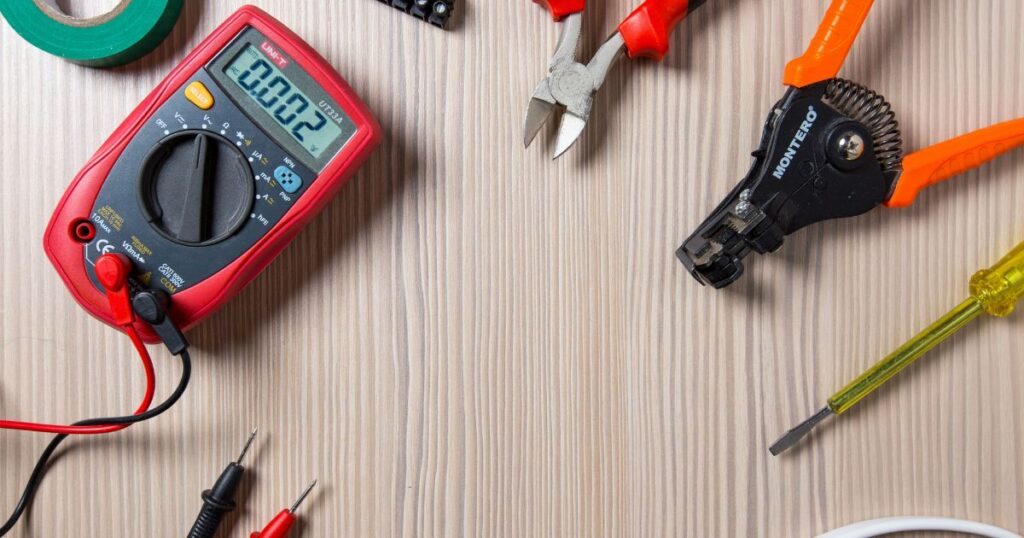
Home Electrical Repair Services in Houston: What Homeowners Need to Know
Every home runs into an electrical hiccup sooner or later, a light that flickers for no obvious reason, a breaker that trips at the worst possible time, or an outlet that just stops working. Most of these issues are minor. Some aren’t. The tricky part is knowing which is which.
This guide walks through the most common electrical problems homeowners run into, the warning signs that mean it’s time to stop troubleshooting and call a professional, and simple maintenance habits that can prevent bigger issues down the road. If you’re dealing with an electrical issue right now, our electrical repair Houston team can take a look, but even if you’re just trying to understand what’s going on, this guide should help.
What Is Home Electrical Repair?
Home electrical repair Services in Houston covers the everyday fixes and troubleshooting that keep a home’s electrical system safe and functional, things like repairing a faulty outlet, replacing a failing light fixture, fixing a buzzing switch, or diagnosing why a breaker keeps tripping. It’s different from larger electrical work like rewiring a home, upgrading a breaker panel, or running new circuits, which typically requires a licensed electrician and often a permit.
Think of it this way: if the fix involves something you can see and touch, a fixture, an outlet, a switch, it’s usually repair-level work. If it involves what’s inside the walls or the panel itself, it moves into more serious territory. Most homeowners will run into repair-level issues far more often than panel-level ones, which is exactly why it helps to know what’s normal and what’s a warning sign before you’re standing in front of a dead outlet trying to decide what to do.
Common Electrical Problems in Homes
A handful of issues show up again and again in homes, regardless of age or location. Here are the ones we see most often:
- Flickering lights. Often caused by a loose bulb or fixture connection, but persistent flickering across multiple rooms can point to a larger wiring issue.
- Tripped breakers. Usually a sign that a circuit is overloaded, though repeated tripping on the same breaker can indicate a deeper problem.
- Dead outlets. Sometimes it’s a tripped GFCI outlet elsewhere on the same circuit; other times it’s a wiring fault.
- Buzzing switches or outlets. Almost never normal, buzzing usually means a loose connection or worn component.
- Warm or discolored outlet covers. A sign of excess heat buildup, which can be an early warning sign of a fire risk.
Most of these problems have relatively simple causes when caught early, but they tend to get more complicated and more expensive, the longer they’re ignored. A loose connection that’s easy to tighten today can become a bigger wiring issue in a year if left alone.
Some of these are quick fixes, and depending on the scope, our team can handle them alongside other projects during the same visit, many homeowners bundle electrical fixes with general repairs through our Houston handyman services for convenience.
Signs Your Home Needs Electrical Repair
Not every flicker or hiccup means something serious, but certain signs should never be ignored:
- Frequent breaker trips, especially on the same circuit
- A burning smell or visible scorch marks near an outlet or switch
- Lights dimming when a large appliance turns on
- Outlets that feel warm to the touch
- Sparking when plugging in or unplugging a device
- Persistent flickering that doesn’t resolve after changing a bulb
If you’re noticing any combination of these, it’s worth having a professional take a closer look rather than waiting to see if it resolves on its own. You can schedule an electrical inspection with our team and we’ll walk you through exactly what’s going on before any work begins.
Home Electrical Maintenance Tips
A little routine maintenance goes a long way toward preventing electrical problems before they start:
- Test GFCI outlets monthly — especially in kitchens, bathrooms, and garages. Most have a built-in test/reset button.
- Avoid overloading outlets and extension cords. Plugging too many high-draw devices into one outlet is a common cause of tripped breakers and overheating.
- Schedule periodic inspections for older homes. Homes built before the 1990s often have wiring that wasn’t designed for today’s appliance load.
- Keep your breaker panel labeled and accessible. In an emergency, you want to know exactly which breaker controls which area of the house.
- Replace cracked or damaged outlet covers. These are inexpensive to fix but matter for both safety and moisture protection.
Staying on top of small maintenance tasks like these is one of the easiest ways to protect both your home and your family and it fits naturally into a broader home maintenance Houston routine alongside seasonal upkeep for the rest of the house.
Electrical Safety Tips for Homeowners
Electrical work carries real risk, and it’s worth keeping a few safety basics in mind even for small tasks:
- Never attempt panel or wiring work yourself. This is where licensed electricians are non-negotiable — the risk of shock or fire is too high to DIY.
- Always unplug or shut off power before troubleshooting anything involving an outlet, switch, or fixture.
- Know where your breaker panel is and how to shut off power to a specific area in an emergency.
- Keep electrical sources away from water. This is especially important in kitchens, bathrooms, and outdoor areas.
- Don’t ignore repeated breaker trips as an inconvenience. A breaker that trips more than once in a short period is doing its job by protecting the circuit, it’s telling you something needs attention.
These aren’t just best practices, they’re the difference between a minor inconvenience and a serious hazard.
Electrical Troubleshooting for Homeowners: What's Safe to Check Yourself
Some basic troubleshooting is genuinely safe to do on your own before calling for help:
- Resetting a tripped GFCI outlet using the reset button
- Checking whether a breaker has simply tripped and can be safely reset once
- Confirming a bulb isn’t just burned out before assuming a fixture issue
- Checking whether an appliance itself is faulty, rather than the outlet, by testing it elsewhere
Where the line is: if a breaker trips repeatedly, if an outlet stays dead after a reset, or if you smell anything burning, stop troubleshooting and call a professional. This is also true for anything beyond basic fixture work, for example, ceiling fan installation Houston projects involve wiring connections that are best left to a trained technician, even though the fixture itself looks simple to swap.
Home Electrical Inspection: What to Expect
A professional electrical inspection typically includes a check of your breaker panel, outlets, switches, visible wiring, and any fixtures showing signs of wear. The technician will flag anything that’s outdated, overloaded, or showing early signs of failure, and let you know what, if anything, needs attention.
For Houston homes, especially those built more than 20-25 years ago, a periodic inspection is a smart proactive step rather than something to wait on until a problem shows up. Older wiring wasn’t designed to handle the number of devices and appliances the average home runs today, which makes aging homes more prone to overloaded circuits and worn connections. It’s a relatively quick process, and it gives you a clear picture of your home’s electrical health before small issues turn into bigger ones.
When to Call an Electrician
To recap the biggest red flags: frequent breaker trips, burning smells, warm outlets, visible sparking, and persistent flickering are all signs it’s time to bring in a professional rather than continuing to troubleshoot on your own. A reliable provider will always be upfront about what’s a simple repair and what requires a licensed electrician, you shouldn’t have to guess.
Final Thoughts
Most electrical issues start small, a flicker here, a tripped breaker there but knowing which signs matter can save you time, money, and, most importantly, keep your home safe. Routine maintenance and a bit of awareness go a long way, but when something feels off, it’s always worth having it checked out properly rather than hoping it resolves on its own.
If you’re dealing with an electrical issue in your Houston-area home, our team is ready to help, reach out anytime to get it diagnosed and repaired quickly and safely, with clear pricing and no surprises along the way.




One Response